
Curious what we can do for you?
Interested in the Future-proof farming program? Fill out the form or contact info@vreugdenhil.nl
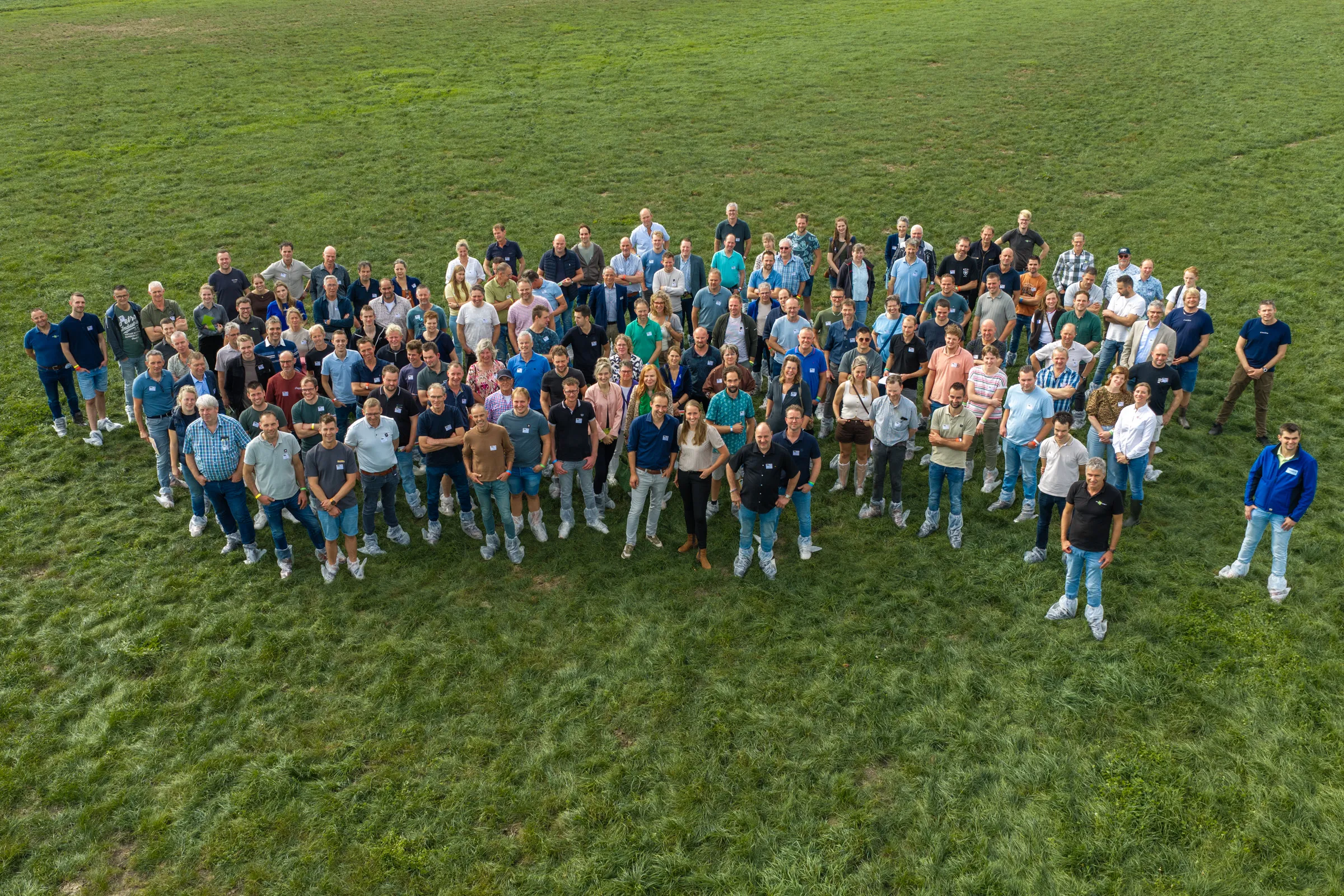
Tomorrow's Dairy was established by Nestlé and Vreugdenhil Dairy Foods in partnership with Wageningen University & Research (WUR), PPP-Agro Advies and dairy farmers. The shared ambition is to reduce greenhouse gas emissions while building a future-proof dairy sector, with attention to soil health, water quality, biodiversity and a sustainable economic perspective for farmers.
In 2022, the first 17 dairy farmers joined the programme. A deliberate choice was made to include different farm types and soil conditions. Rather than prescribing a fixed set of measures, the programme focused on identifying opportunities at individual farms, testing solutions, and sharing results and experiences. Five years later, not only has participation grown significantly, but collective knowledge about what sustainability requires in practice has increased substantially as well.
Five years of learning by doing
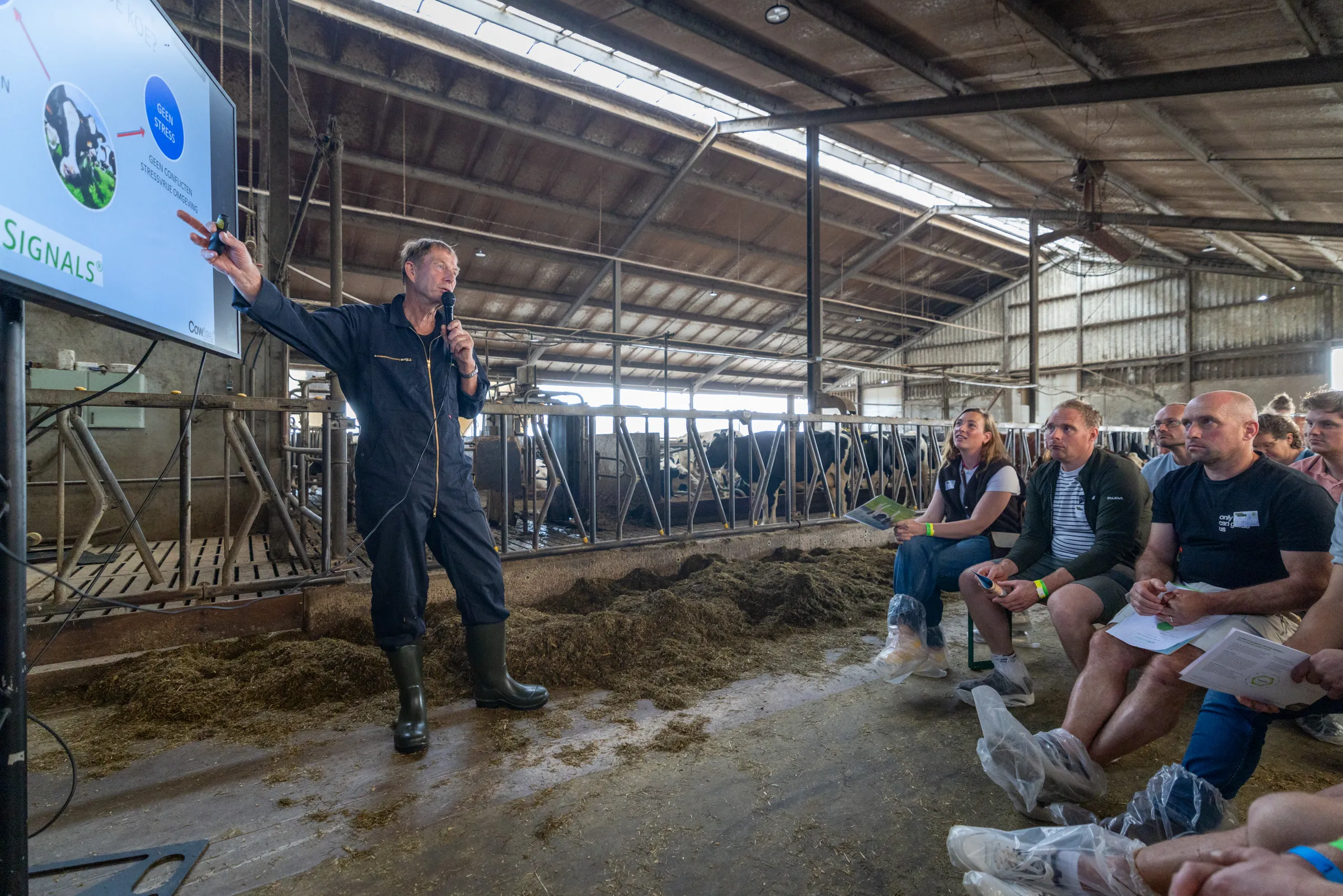
Since 2022, grass-clover has been established on an area equivalent to approximately 1,300 football pitches within Tomorrow's Dairy. The programme has also facilitated 68 workshops and knowledge-sharing events. In addition, 101 Open Soil Index assessments and Farm Soil & Water Plans have been completed. Farmers have gained practical experience with solutions and innovations such as HVO100, Bovaer®, feed efficiency improvements, forage quality optimisation, soil management and fertilisation strategies.
These figures tell only part of the story. The programme's greatest achievement is the practical knowledge built on farms over the past five years: knowledge about measures that work well, but also about measures that required adjustment, refinement or a second attempt.
From individual measures to an integrated approach
Over the past five years, Tomorrow's Dairy has evolved from a programme primarily focused on climate action into an approach that increasingly considers climate, soil, water, biodiversity and farm profitability as interconnected themes. As a result, the way improvements are managed has also changed.
Rather than focusing on individual measures, the starting point is now identifying the greatest opportunities and challenges on each specific farm. Based on that understanding, the most suitable measures and indicators can be selected.
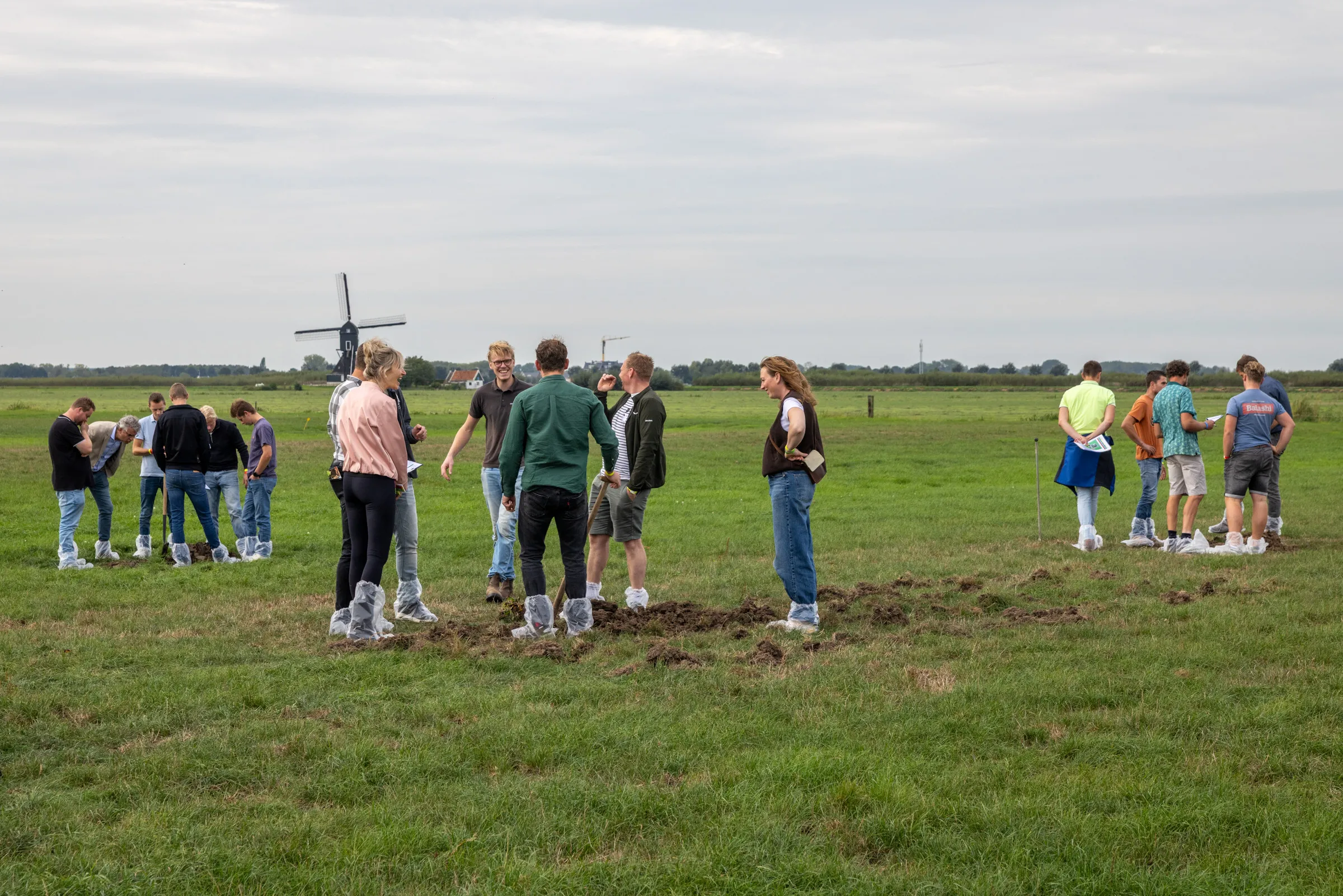
Three lessons from five years of practical experience
Learning by doing is at the heart of Tomorrow's Dairy. This approach has generated several important insights.
1. There is no standard route to sustainability
One of the clearest conclusions is that no two dairy farms share the same starting point or opportunities. A farm located on sandy soil requires a different approach from one situated on clay or peat soils. Factors such as farm intensity, feeding strategy, available land and farm management also influence outcomes.
This means farms cannot simply be compared with one another. At the same time, the diversity within the programme provides valuable insights and increasingly demonstrates what is achievable across different types of dairy farms.
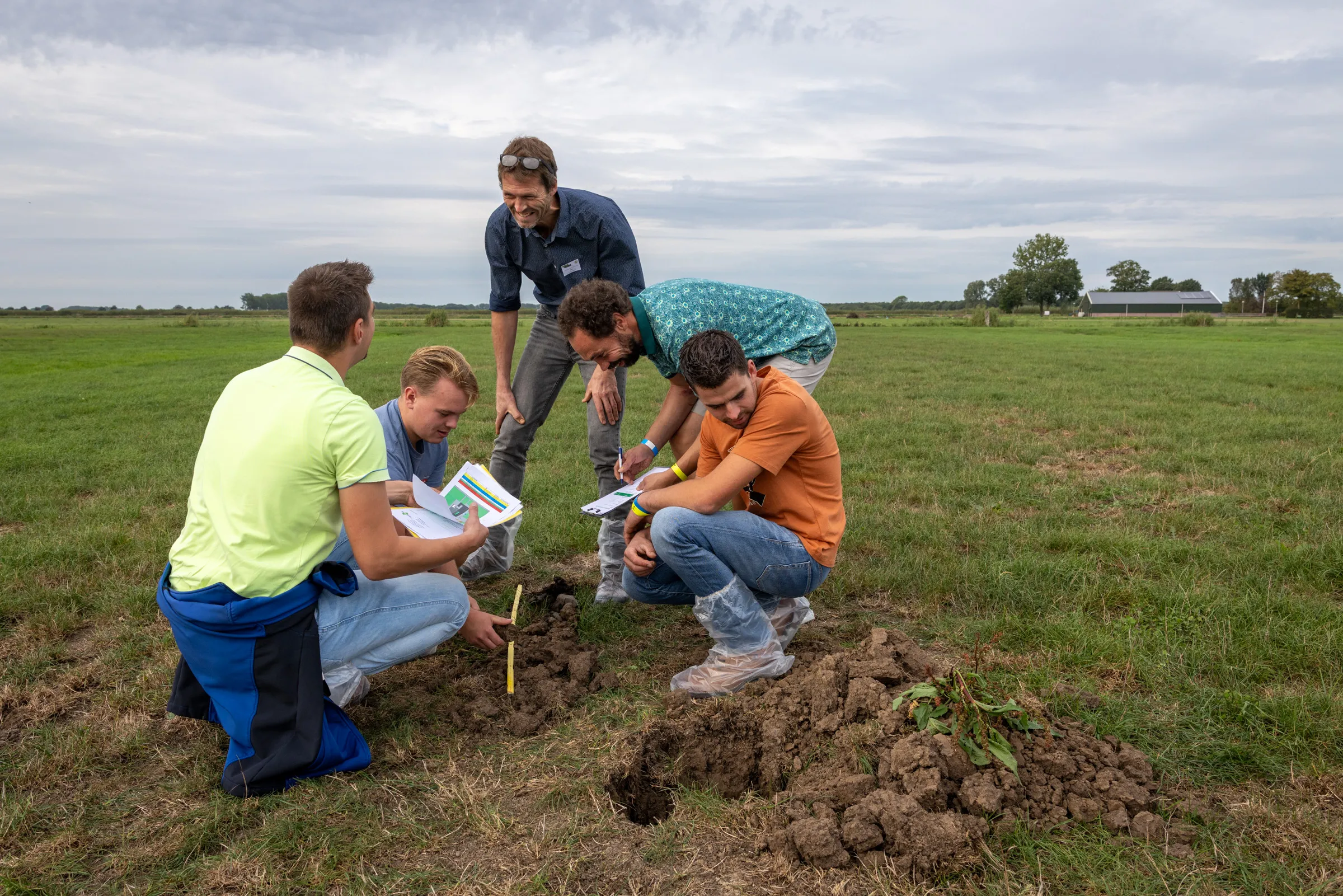
2. Practical experience Is essential
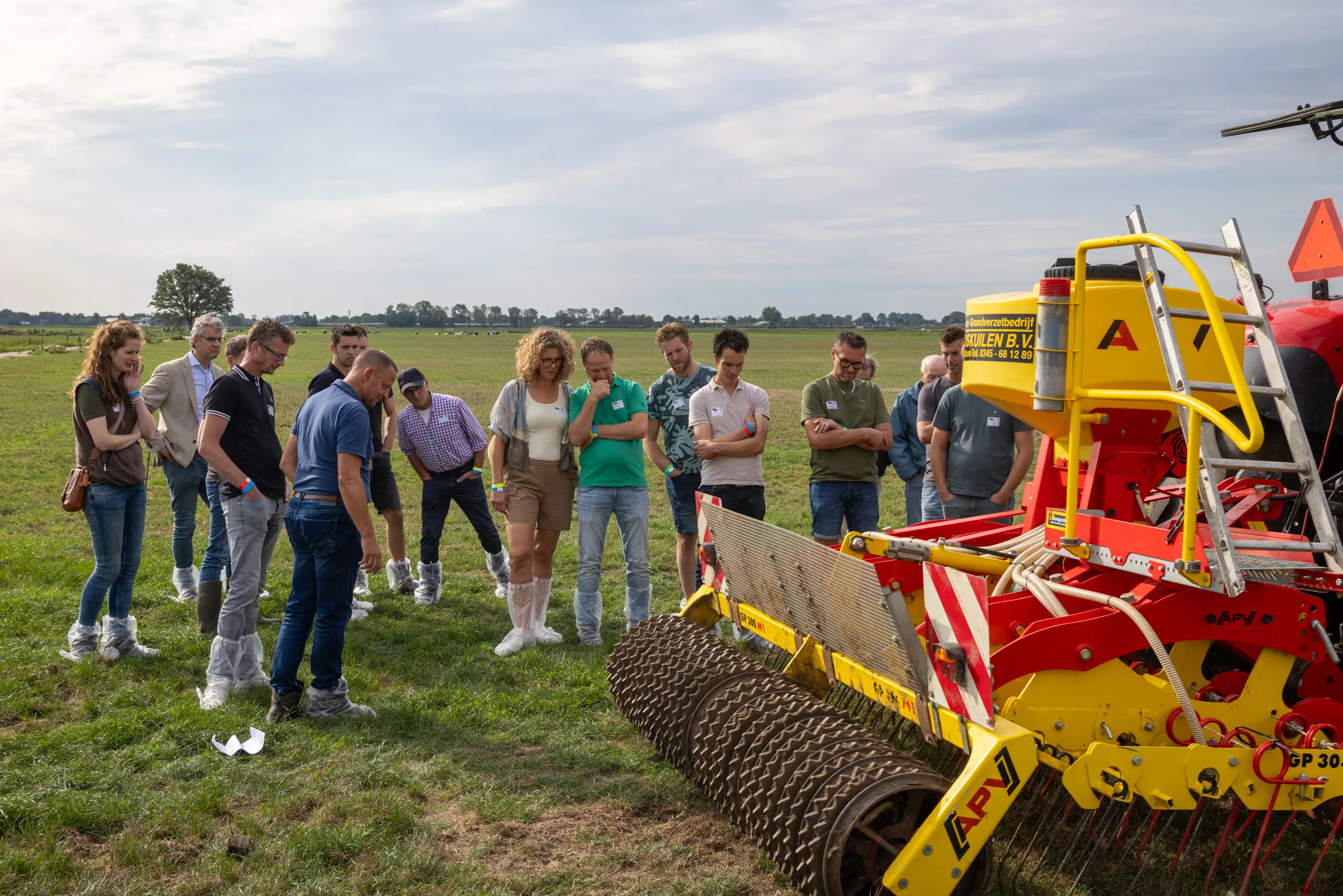
Scientific knowledge and proven measures provide an important foundation, but their true effectiveness is demonstrated on the farm. Within Tomorrow's Dairy, measures are therefore tested in practice, results are monitored and experiences are shared.
Successful measures can be further developed and scaled up. Measures that deliver less favourable results still provide valuable insights into how they can be applied more effectively. The experience with grass-clover is a good example. Weather conditions, soil characteristics, farm management and individual farmer choices all influence the eventual outcome.
3. Real change requires ownership and collaboration
Dairy farmers make the decisions that best fit their businesses. Researchers, advisors and supply chain partners contribute additional expertise, innovation and support.
For this reason, Tomorrow's Dairy works with farm-specific action plans, practical guidance, financial support and a results-based reward system. Together, these elements help farmers implement measures that are both sustainable and practical.
The next phase: targeted tailor-made solutions and innovation
According to programme objectives, Tomorrow's Dairy remains on track towards its ambition of reducing the carbon footprint of milk by 50% by 2030 compared with the 2018 baseline year.
In the coming years, the programme will continue to focus on three pillars: optimising farm-specific management, implementing emission reduction measures and driving innovation. The goal is not simply to add more solutions, but to identify and scale those that demonstrably work for different types of dairy farms.
The ambition remains clear: a future-proof dairy sector in which climate, soil, water quality, biodiversity and farm profitability go hand in hand.
Interested in the Future-proof farming program? Fill out the form or contact info@vreugdenhil.nl